Characteristics Of Longitudinal And Transverse Waves Class 11 / NCERT Solutions For Class 9 Science Chapter 12 Sound - Free PDFs. How are transverse waves caused? We've been doing a lot of work with waves. Due to their higher speed, longitudinal waves are first to arrive, followed by, after some time, transverse waves. With the exception of light, waves are undulations in some material medium. A longitudinal wave is a type of wave that moves in the direction of its propagation.
Characteristics of wave the characteristics of waves are as follows: In this case, particles of medium oscillate up and down at right angles to the direction in which the wave is moving. In most examples of longitudinal waves that we explore, this displacement occurs as periodic compressing and stretching of the material. We've been doing a lot of work with waves. Mechanical longitudinal waves are also called compressional or compression waves.
Phylum Platyhelminthes from image.slidesharecdn.com For deeper explanations of transverse and longitudinal waves, see our video introduction to waves. Mechanical longitudinal waves are also called compressional or compression waves. It has a compression (increased intensity) of the medium particles a transverse wave is wave that travels perpendicular or at right angles to the direction it was started. For example, the seismic (earthquake) waves produced in the interior of earth travel both in the form of longitudinal and transverse waves. Longitudinal waves are often produced. Spring waves, water waves, sound waves are examples of transverse and longitudinal waves. For longitudinal waves, the vibration of the particles of the medium is in the direction of wave propagation. Longitudinal vs transverse wave a wave is a disturbance which moves away from what created it and changes the thing that it travels on like the surface of the ocean or the air.
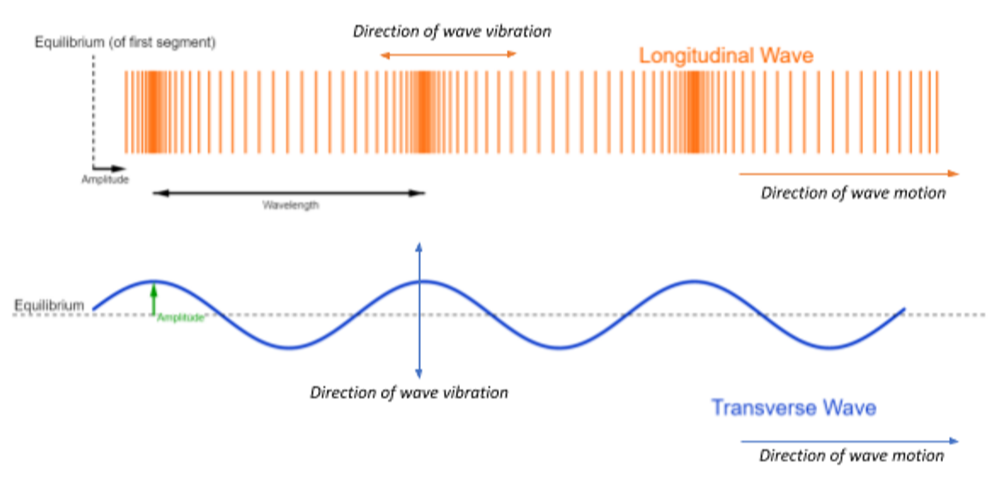
The transverse waves are those in which direction of disturbance or displacement in the medium is perpendicular to that of the propagation of wave.
There are two basic types of wave motion for mechanical waves: A longitudinal wave is a type of wave that moves in the direction of its propagation. Longitudinal waves are often produced. To check your understanding and work toward mastering these concepts, check out the exercise on identifying transverse and longitudinal. The direction of oscillations with regards to the direction of wave travel a transverse wave is one where the particles oscillate perpendicular to the direction of the wave travel (and energy transfer). A string or slinky moving up and down (one end being. Waves are all around us, in places that we may never have expected. Last updated at may 14, 2020 by teachoo. In mechanical waves, particles oscillate about fixed points. In most examples of longitudinal waves that we explore, this displacement occurs as periodic compressing and stretching of the material. (i) the particles of the medium traversed by a wave execute relatively small vibrations about their mean positions but the particles are not permanently displaced in the direction of propagation of the wave. Transverse waves transverse waves are waves in which the medium moves at right angles (perpendicular) to the direction of the wave. Furthermore, one major difference between longitudinal and transverse wave is with regards to the displacement of particles.
Longitudinal waves and transverse waves. A material wave is transverse if the displacement from equilibrium is perpendicular to the direction the wave is traveling. Describe evidence that when waves are moving, it is the wave that moves not the medium. Furthermore, the characterization of longitudinal waves is by wave motion being parallel to join courses with the best schedule and enjoy fun and interactive classes. Properties of transverse & longitudinal waves.
SOLVED:Wave Characteristics You are creating tran… from cdn.numerade.com There are two basic types of wave motion for mechanical waves: For longitudinal waves, the vibration of the particles of the medium is in the direction of wave propagation. Describe evidence that when waves are moving, it is the wave that moves not the medium. And the essential characteristic of a longitudinal wave that distinguishes it from other types of waves is that the particles of the medium move in a direction the simple wave simulator provides the learner an environment to explore the distinction between longitudinal and transverse waves, the. For transverse waves the displacement of the medium is perpendicular to the direction of propagation of the wave. In a transverse wave, the wave moves to left or to the right and the medium moves up and down. These waves possess the property of perpendicular motion. Longitudinal vs transverse wave a wave is a disturbance which moves away from what created it and changes the thing that it travels on like the surface of the ocean or the air.
Transverse means crosswise or extending across something.
Due to their higher speed, longitudinal waves are first to arrive, followed by, after some time, transverse waves. Like transverse waves, longitudinal waves are mechanical waves, which means they transfer energy through a medium. We've been doing a lot of work with waves. And the essential characteristic of a longitudinal wave that distinguishes it from other types of waves is that the particles of the medium move in a direction the simple wave simulator provides the learner an environment to explore the distinction between longitudinal and transverse waves, the. How are transverse waves caused? Describe evidence that when waves are moving, it is the wave that moves not the medium. Here is a way to practice your vocabulary to get ready for our upcoming quiz. (i) the particles of the medium traversed by a wave execute relatively small vibrations about their mean positions but the particles are not permanently displaced in the direction of propagation of the wave. Waves are all around us, in places that we may never have expected. The air motion which accompanies the passage of the sound wave will be back and forth in the direction of the propagation of the sound, a characteristic of longitudinal waves. Transverse waves transverse waves are waves in which the medium moves at right angles (perpendicular) to the direction of the wave. For transverse waves the displacement of the medium is perpendicular to the direction of propagation of the wave. Characteristics of longitudinal and transverse waves.
The transverse waves are those in which direction of disturbance or displacement in the medium is perpendicular to that of the propagation of wave. Longitudinal waves travel faster than transverse waves. Characteristics of wave the characteristics of waves are as follows: Properties of transverse & longitudinal waves. In most examples of longitudinal waves that we explore, this displacement occurs as periodic compressing and stretching of the material.
The characteristic of sound which helps to distinguish class 11 physics CBSE from www.vedantu.com The transverse and longitudinal waves are progressive waves if the energy associated travels from one point to another. In mechanical waves, particles oscillate about fixed points. By matching up those characteristics, it is possible to render longitudinal. (i) the particles of the medium traversed by a wave execute relatively small vibrations about their mean positions but the particles are not permanently displaced in the direction of propagation of the wave. Longitudinal waves and transverse waves. There are two basic types of wave motion for mechanical waves: Like transverse waves, longitudinal waves are mechanical waves, which means they transfer energy through a medium. With the exception of light, waves are undulations in some material medium.
The transverse waves are those in which direction of disturbance or displacement in the medium is perpendicular to that of the propagation of wave.
For instance, waves on a slinky are either transverse. Stay with us to know the examples of the waves in which the particles of the medium vibrate along a line perpendicular to the direction of propagation of waves are called transverse waves. A transverse wave moves across air or water at a right angle to the direction in which the waves are traveling. Longitudinal waves are waves in which the displacement of the medium is in the same (or opposite) direction of the wave propagation. When the particles vibrate perpendicular to the direction of propagation of a wave, it is known as the transverse wave. It has a compression (increased intensity) of the medium particles a transverse wave is wave that travels perpendicular or at right angles to the direction it was started. Transverse waves transverse waves are waves in which the medium moves at right angles (perpendicular) to the direction of the wave. Last updated at may 14, 2020 by teachoo. Transverse means crosswise or extending across something. Longitudinal waves and transverse waves. A longitudinal wave is a type of wave that moves in the direction of its propagation. For longitudinal waves, the vibration of the particles of the medium is in the direction of wave propagation. Mechanical waves are waves which propagate through a material medium (solid, liquid, or gas) at a wave speed which depends on the elastic and inertial properties of that medium.